In the digital age, network promotion has become an indispensable part of business development. It encompasses a wide range of strategies and techniques aimed at increasing brand visibility, driving traffic, and ultimately boosting sales and revenue. With the rapid growth of the internet and the increasing number of online users, the importance of effective network promotion cannot be overstated.

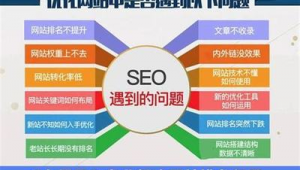
One of the key aspects of network promotion is search engine optimization (SEO). SEO is the process of optimizing a website to rank higher in search engine results pages (SERPs). This involves various techniques such as keyword research, on – page optimization, link building, and content creation. By targeting relevant keywords that potential customers are likely to search for, businesses can increase their chances of being found by these users. For example, if a company sells handmade jewelry, they would want to optimize their website for keywords like “handmade jewelry,” “unique handmade necklaces,” etc. On – page optimization includes factors such as proper use of headings, meta tags, and high – quality content. Link building is also crucial as search engines consider the number and quality of links pointing to a website as a sign of its authority. High – quality backlinks from reputable websites can significantly improve a website’s SEO performance.
Social media marketing is another powerful tool in network promotion. Platforms like Facebook, Instagram, Twitter, and LinkedIn have billions of users worldwide. These platforms allow businesses to connect directly with their target audience, build brand awareness, and engage with customers. For instance, a fashion brand can use Instagram to showcase its latest collections, run contests, and interact with followers. Social media advertising on these platforms is also highly targeted. Businesses can define their target audience based on demographics, interests, behaviors, etc. This ensures that their ads are shown to the most relevant users, increasing the return on investment (ROI). A local coffee shop, for example, can target people in the vicinity who are interested in coffee and cafes.
Email marketing remains a highly effective form of network promotion. It allows businesses to stay in touch with their existing customers and nurture leads. By sending regular newsletters, promotional emails, and personalized offers, companies can keep their brand top – of – mind for customers. For example, an e – commerce store can send a welcome email to new customers, followed by product recommendation emails based on their past purchases. Email marketing also provides valuable data on customer behavior, such as open rates, click – through rates, and conversion rates. This data can be used to refine future email campaigns and improve their effectiveness.
Content marketing is a fundamental part of network promotion. Creating valuable, relevant, and engaging content helps businesses establish themselves as industry experts and build trust with their audience. This can include blog posts, articles, videos, infographics, and more. A software company, for example, can create blog posts about the latest trends in software development, tips for using their products, and case studies of successful implementations. By providing useful information, the company can attract potential customers and keep them coming back to their website. Content can also be shared on social media platforms, further expanding its reach.
In addition to these strategies, pay – per – click (PPC) advertising is a popular form of network promotion. Platforms like Google Ads allow businesses to bid on keywords and display their ads at the top of search engine results pages. Advertisers only pay when a user clicks on their ad. This provides immediate visibility and can drive targeted traffic to a website. For example, a travel agency can use PPC ads to target users searching for vacation packages. They can create compelling ad copy that highlights their unique selling points, such as all – inclusive packages or exclusive discounts.
Affiliate marketing is another avenue for network promotion. Businesses can partner with affiliates who promote their products or services in exchange for a commission on sales. Affiliates can be bloggers, influencers, or other websites. For instance, an online fitness store can partner with fitness bloggers who can recommend their products to their followers. This can significantly increase the brand’s reach and sales, as affiliates typically have their own established audience.
To measure the success of network promotion efforts, businesses need to use ytics tools. Tools like Google Analytics provide detailed data on website traffic, user behavior, and conversion rates. By yzing this data, businesses can identify which promotion strategies are working well and which ones need improvement. For example, if a particular social media campaign has a high engagement rate but low conversion rate, the business can yze the data to understand why and make necessary adjustments.
In conclusion, network promotion is a multi – faceted and dynamic field. By combining various strategies such as SEO, social media marketing, email marketing, content marketing, PPC advertising, and affiliate marketing, businesses can effectively reach their target audience, increase brand awareness, and drive sales. Regularly monitoring and yzing the results of these promotion efforts is essential to ensure continuous improvement and long – term success in the digital marketplace.